 Your Feedback
 Grievance
 Book Ticket
  Adopt an Animal
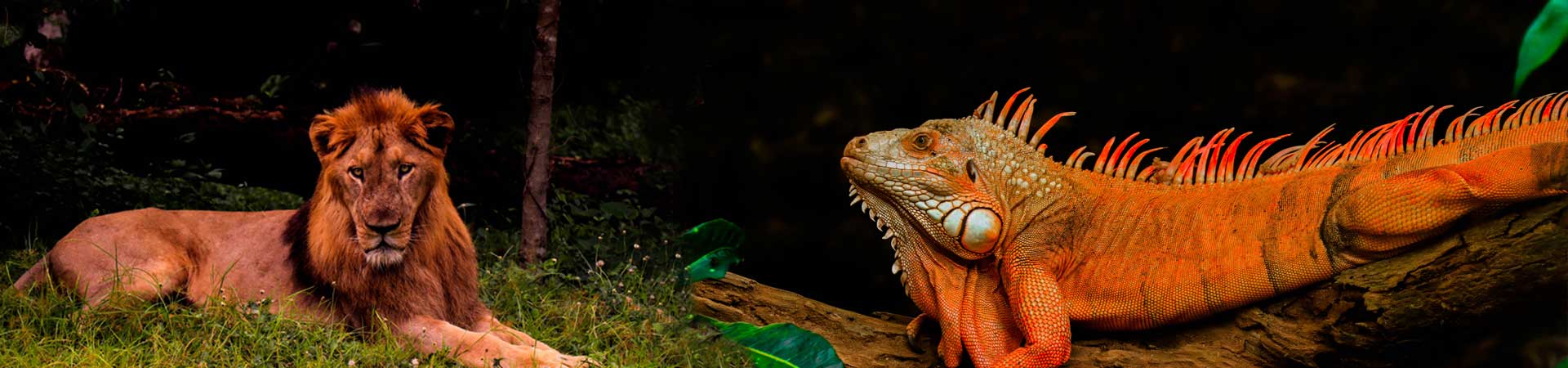
True to its name, Nandankanan, the “Garden of the Gods”, stands as a distinguished sanctuary of natural splendour and biological diversity. Recognised as one of the premier zoological parks in India and the only large zoo in Odisha, Nandankanan has consistently upheld high standards in animal welfare, scientific management, conservation breeding and visitor services since its establishment on 29 December 1960. Over the decades, the park has evolved into a unique institution integrating both in-situ and ex-situ conservation, making meaningful contributions to the preservation of India’s wildlife heritage. The verdant landscape comprising the Zoological Park, Kanjia Lake and the adjoining State Botanical Garden was notified as the Nandankanan Wildlife Sanctuary on 3 August 1979, covering an area of 4.37 sq. km. At present, the Zoological Park houses 4,015 animals representing 173 species of mammals, reptiles, birds and amphibians. The adjoining State Botanical Garden, spread over 75 hectares, supports more than 750 species of plants and functions as one of the most important centres for ex-situ plant conservation in the State. The ecological richness of the sanctuary is further enhanced by two major wetlands—Kanjia Lake (66 ha) and Kiakani Lake (25 ha)—which play a vital role in maintaining habitat diversity and ecological balance. Notably, Kanjia Lake was designated as a Wetland of National Importance by the Ministry of Environment, Forest and Climate Change in 2006.
The year, 2024–25 marked another important phase in Nandankanan’s journey of biodiversity conservation, scientific zoo management, education and research. During the year, the park welcomed more than 3.9 million visitors and generated revenue exceeding ₹25 crores, reaffirming its enduring popularity among tourists and nature enthusiasts. Several significant milestones were achieved, particularly in the areas of infrastructure development, enrichment of animal collection, neonatal care and health management. Successful breeding was recorded in a wide range of species, including Gaur, Mouse Deer, Blackbuck, Hippopotamus, Jungle Cat, Tiger, Swamp Deer, Porcupine, Chimpanzee, Manipuri Deer, Four-horned Antelope, Asiatic Lion, Indian Grey Wolf, Sambar, Himalayan Black Bear, Black-headed Ibis, Indian Peafowl, Night Heron, Leopard Cat, Indian Fox and Squirrel Monkey, reflecting the effectiveness of scientific husbandry and management practices.
Continuing its excellence in neonatal care, the zoo successfully hand-reared infants of Tiger (4 cubs), Asiatic Lion (4 cubs), Elephant (1 calf), Jungle Cat (2 kittens), Four-horned Antelope (2 fawns), Manipuri Deer (1 fawn) and Hog Deer (1 fawn). The animal exchange programme further strengthened the zoo’s collection by introducing 94 animals from 30 species, thereby enhancing genetic diversity. While celebrating these achievements, the park also mourned the loss of some iconic and much-loved animals, including the wild tiger Nandan, tigress Sara, lion Krish, chimpanzee Julu and lioness Rewa, whose presence had endeared them to visitors over the years.
Several important visitor and animal management facilities were inaugurated during the year, notably the Exotic Primate Complex, upgraded Himalayan Black Bear Enclosure, Bird Quarantine Facility, Zoo Library and Digital Hub, Residential Complex for Zoo Security Staff, Centre for Conservation Research and Training, and the Kanjia Wetland Discovery Trail. In addition, deweeding of Kanjia Lake and upgradation of the Arboretum and Medicinal Garden at the State Botanical Garden significantly enhanced the ecological integrity as well as the aesthetic appeal of the park.
In-situ conservation remained a key focus through the Gharial Conservation Project at Satkosia Gorge, where natural breeding was recorded for the fourth consecutive year. On 24 May 2024, thirty-five gharial hatchlings emerged from the same nesting site as the previous year, highlighting the success of sustained protection measures. Regular monitoring and targeted community awareness programmes played a crucial role in safeguarding these critically endangered reptiles and their habitat.
Research continued to be a central pillar of Nandankanan’s mandate. During the year, three research papers were published in reputed national and international journals, reflecting the institution’s growing scientific contribution. The upgradation of the Zoo Laboratory further strengthened research and diagnostic capabilities. Animal healthcare also received focused attention, with significant modernization of the Zoo Hospital leading to a reduction in the annual animal mortality rate. This progress was achieved through the dedicated efforts of the veterinary team, close collaboration with the College of Veterinary Science and Animal Husbandry, OUAT, and valuable guidance from the Health and Technical Committees.
Education and outreach initiatives remained vibrant and impactful. Nandankanan observed several important eco-days, including World Environment Day, World Crocodile Day, International Tiger Day, Van Mahotsav, World Elephant Day, the 70th Wildlife Week, World Wetland Day, World Pangolin Day and World Wildlife Day. Citizen science programmes gained further momentum through activities such as Sunday Bird Walks, the Great Backyard Bird Count, Odisha Birders’ Conclave, Tree Walks, Butterfly and Moth Watches, Nature Trail Walks and Herp Walks. Fifteen interns also contributed meaningfully to ongoing research and documentation efforts.
These achievements are a testament to the dedication, teamwork and passion of every member of Team Nandankanan. I extend my sincere gratitude to all staff members, advisory committees and the Chief Wildlife Warden for their continued guidance and support. With collective commitment and a shared vision, Nandankanan will continue to strengthen its position as a leading centre for wildlife conservation, research and education, and remain a source of pride for Odisha and the nation.
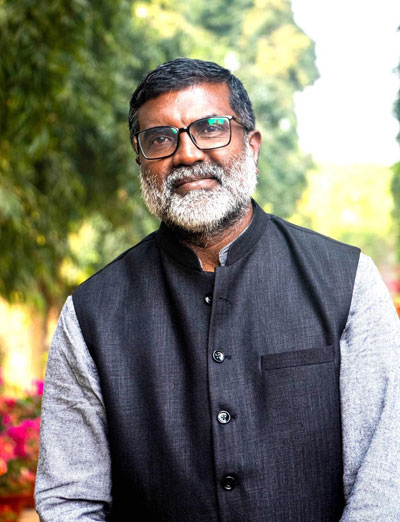
Dr. Manoj V. Nair, IFS
Director, Nandankanan Biological Park